
Visual Search & Shoppable Content – The 2026 Conversion Game-Changer
As digital commerce continues to evolve, businesses are constantly looking for new ways to simplify the customer journey and increase conversions. In 2026, visual search and shoppable content have emerged as powerful tools that are transforming how consumers discover and purchase products online. Instead of relying only on text-based searches, users can now upload images, scan objects, or interact directly with visual content to find and buy products instantly.
This shift toward visual discovery has created a new opportunity for brands and digital agencies to enhance the online shopping experience. By integrating visual search technologies and interactive shopping features, businesses can reduce friction in the buying process and guide customers directly from discovery to purchase.
Below are several key concepts that explain why visual search and shoppable content are becoming a major conversion driver in modern digital marketing.
1. Understanding Visual Search Technology
Visual search allows users to search for products or information using images instead of text. With the help of artificial intelligence and computer vision, search engines can analyze images and identify objects, colors, patterns, and shapes to deliver relevant results.
For example, a user might see a product they like in a photo or social media post. Instead of typing a description, they can simply upload the image or scan it using their phone’s camera. The system then finds visually similar products available for purchase online.
This technology significantly improves convenience and accuracy in product discovery, especially for industries such as fashion, home decor, furniture, and consumer electronics.
2. The Rise of Image-Based Shopping Behavior
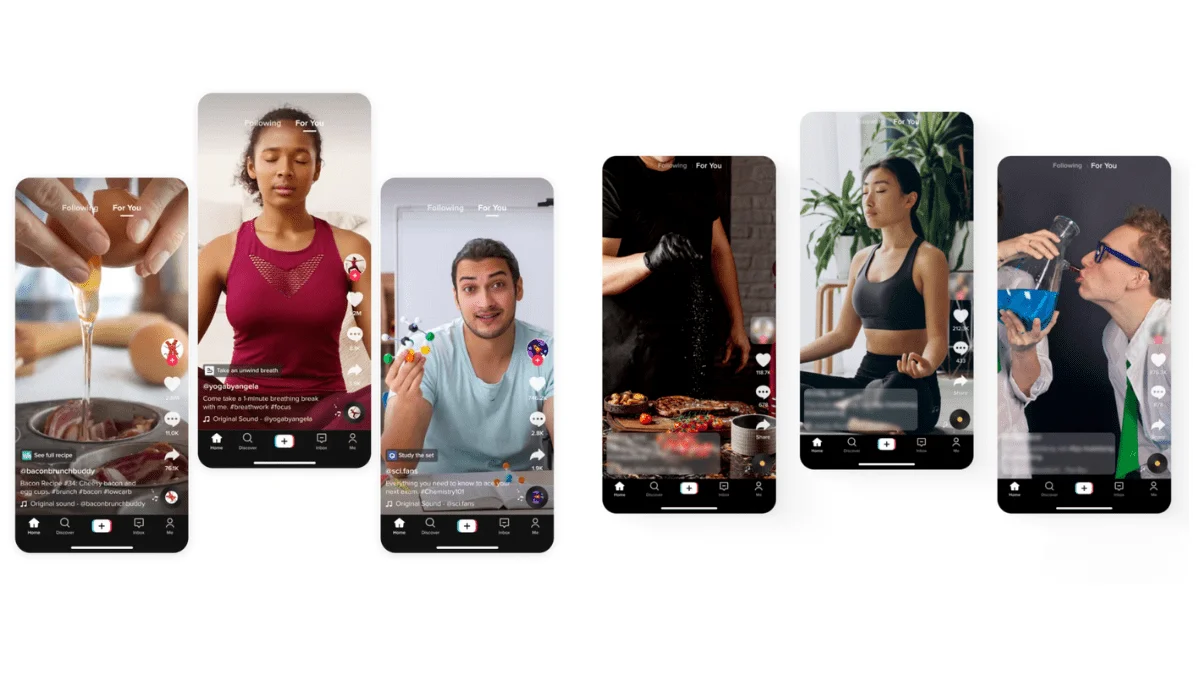
Consumers are increasingly influenced by visual content when making purchasing decisions. Platforms like Instagram, Pinterest, and TikTok have changed how people explore products online. Instead of searching for specific items, users often discover products while browsing visual content.
Image-driven platforms encourage users to interact with visuals rather than text, which makes visual search a natural extension of modern online behavior. As consumers become more comfortable with image-based discovery, businesses that optimize for visual search gain a competitive advantage.
By making products easily discoverable through images, brands can capture customers at the moment of inspiration.
3. What Is Shoppable Content?
Shoppable content refers to digital content that allows users to purchase products directly from the content itself. Instead of redirecting users to multiple pages, shoppable content integrates clickable product links within images, videos, or social media posts.
Examples of shoppable content include:
-
Social media posts where users can tap on a product tag to view pricing and purchase options
-
Interactive product catalogs where customers can click items within images
-
Videos where products are linked directly to an online store
-
Blog posts with embedded product purchase links
This approach shortens the customer journey by reducing the number of steps required to complete a purchase.
4. Enhancing the Customer Experience
One of the biggest advantages of visual search and shoppable content is the improvement of the overall customer experience. Traditional online shopping often requires users to perform multiple searches before finding the exact product they want.
Visual search removes this friction by allowing customers to identify products instantly. Shoppable content further enhances the experience by providing immediate purchasing options within the same interface.
This seamless process reduces effort for the user and increases the likelihood of conversion.
5. The Role of Artificial Intelligence in Visual Commerce
Artificial intelligence plays a critical role in enabling visual search and interactive shopping experiences. AI-powered systems analyze images, detect patterns, and match visual elements with products stored in databases.
These technologies can recognize details such as:
-
Product shapes and design patterns
-
Colors and textures
-
Brand logos and product features
-
Similar product variations
By using machine learning algorithms, visual search engines continuously improve their accuracy as they process more data.
6. The Impact on E-Commerce Conversion Rates
Visual search and shoppable content directly influence conversion rates because they reduce the time between product discovery and purchase. When customers can quickly identify and buy products they like, they are less likely to abandon the buying process.
Shoppable visuals also capture impulse buying behavior. A user browsing inspirational content may instantly purchase a product if the buying option is readily available within the image or video.
For businesses, this creates new opportunities to turn casual browsing into immediate sales.
7. Importance of High-Quality Visual Content
To succeed with visual search, businesses must focus on producing high-quality visual assets. Clear product images, multiple angles, and consistent branding help AI systems accurately identify products.
High-quality visuals also improve customer trust and engagement. Professional photography, detailed product images, and visually appealing layouts make content more attractive and encourage users to interact with it.
In addition, optimized images with proper metadata and descriptive tags help search engines understand the content more effectively.
8. Integration with Social Commerce Platforms
Many social media platforms are already integrating visual shopping features directly into their interfaces. Social commerce allows users to discover products through posts, stories, and short-form videos and purchase them without leaving the platform.
For brands and agencies, this creates new marketing opportunities. Instead of relying solely on website traffic, businesses can sell products directly through social platforms where users spend a significant amount of time.
Combining visual storytelling with integrated purchasing options creates a powerful marketing and sales strategy.
9. Preparing for the Future of Visual Commerce
The future of online shopping is likely to become increasingly visual and interactive. As augmented reality, artificial intelligence, and advanced image recognition technologies continue to develop, the role of visual search will expand even further.
Businesses that invest in visual optimization, interactive shopping experiences, and high-quality content will be better positioned to succeed in this evolving digital environment.
By embracing visual search and shoppable content strategies today, companies can create more engaging customer experiences, increase conversions, and stay ahead in the competitive digital marketplace.